
Introduction
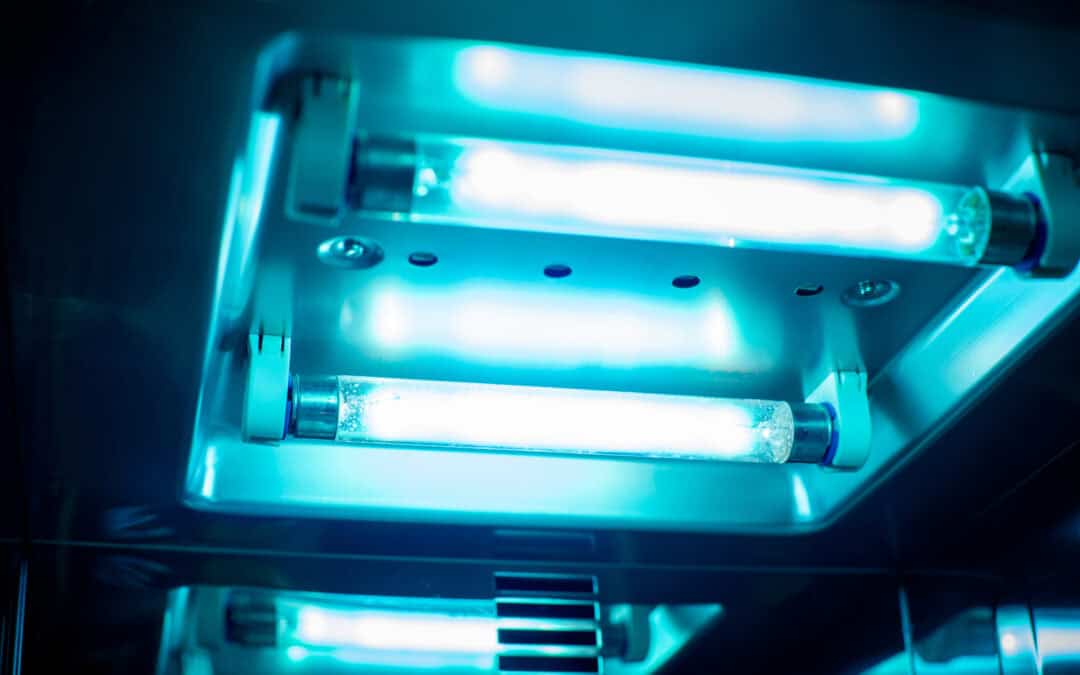
UV lamps play a vital role in a wide range of applications, from water purification and air disinfection to industrial processing and commercial sterilisation systems. While these lamps may continue to emit visible light for years, their ability to produce effective ultraviolet (UV-C) radiation gradually declines over time.
A common misconception is that a UV lamp only needs replacing when it stops working altogether. In reality, waiting until complete failure can significantly reduce the effectiveness of your UV system and potentially compromise the quality of water, air, or surfaces being treated.
So, how often should you replace a UV lamp? The answer depends on several factors, including the lamp type, operating hours, and application. In this guide, we’ll explore expert recommendations, key warning signs, and best practices to help you maintain optimal UV performance.
Why UV Lamp Replacement Matters
Unlike conventional lighting, UV lamps are designed to emit ultraviolet energy rather than visible illumination. Over time, the UV output gradually decreases even though the lamp may still appear to be functioning normally.
For applications such as:
- Water treatment systems
- Air purification units
- HVAC disinfection systems
- Food processing facilities
- Aquaculture systems
- Laboratory environments
Reduced UV output can significantly impact disinfection effectiveness and system performance.
Regular replacement ensures:
- Consistent UV intensity
- Effective microbial control
- Regulatory compliance
- Improved operational reliability
- Reduced risk of contamination
How Long Does a UV Lamp Typically Last?
Most standard germicidal UV lamps have a rated lifespan of approximately 8,000 to 9,000 operating hours, which equates to roughly one year of continuous operation.
However, lifespan varies depending on the lamp manufacturer and application. Premium lamps from leading brands such as Philips, Osram, and LEDVANCE often provide reliable performance throughout their rated service life when operated correctly.
As a general guideline:
| UV Lamp Type | Typical Lifespan |
| Low-pressure germicidal UV lamps | 8,000–9,000 hours |
| Amalgam UV lamps | 12,000–16,000 hours |
| Specialty industrial UV lamps | Varies by application |
| UV-C LED systems | Often 10,000+ hours |
Always consult the manufacturer’s specifications for your specific model.
7 Warning Signs Your UV Lamp Needs Replacing
Even before reaching its rated lifespan, certain indicators may suggest it’s time for a replacement.
1. The Lamp Has Reached Its Recommended Operating Hours
The simplest and most reliable indicator is operating time.
Many UV systems include timers or monitoring systems that track lamp usage. If your lamp has reached its recommended service interval, replacement should be scheduled even if it still appears operational.
2. Reduced Water or Air Treatment Performance
If you notice:
- Declining water quality
- Increased bacterial counts
- Unpleasant odours
- Reduced air purification effectiveness
the UV lamp may no longer be delivering sufficient UV energy.
This issue is especially common in water treatment systems where UV output gradually diminishes over time.
3. Visible Discolouration of the Lamp
Darkened ends, cloudiness, or unusual discoloration can indicate ageing components and reduced efficiency.
While some minor darkening is normal, significant changes often suggest the lamp is approaching the end of its useful life.
4. Frequent System Alarms or Error Messages
Many modern UV systems feature monitoring technology that detects declining lamp performance.
Warning indicators may include:
- Lamp failure alerts
- Low UV intensity warnings
- System fault notifications
- Maintenance reminders
These alerts should never be ignored.
5. Difficulty Starting the Lamp
A UV lamp that flickers, struggles to start, or requires multiple attempts to ignite may be experiencing electrode wear or ballast-related issues.
If troubleshooting confirms the ballast is functioning correctly, lamp replacement may be necessary.
6. Physical Damage
Any cracks, chips, or damage to the lamp can impact performance and safety.
Even minor damage can affect UV transmission and increase the risk of premature failure.
Always replace damaged lamps immediately.
7. Quartz Sleeve Fouling or Associated Wear
In many UV systems, the lamp is protected by a quartz sleeve. Over time, mineral deposits, scaling, and contamination can reduce UV transmission.
While cleaning or replacing the quartz sleeve may restore performance, it is often a good opportunity to inspect the UV lamp and assess whether replacement is also required.
Explore ELC Lamps Online’s range of Quartz Sleeves to help maintain optimal UV system efficiency:
Expert Advice for Maximising UV Lamp Life
Although UV lamps are consumable components, proper maintenance can help achieve their full rated lifespan.
Keep Quartz Sleeves Clean
A dirty quartz sleeve can reduce UV transmission significantly.
Regular inspection and cleaning help ensure maximum UV penetration and disinfection effectiveness.
Monitor Operating Hours
Implement a maintenance schedule that tracks operating hours rather than waiting for lamp failure.
Proactive replacement reduces downtime and performance issues.
Use Genuine Replacement Lamps
Choosing high-quality replacement lamps from trusted manufacturers ensures:
- Consistent UV output
- Reliable operation
- Correct system compatibility
- Longer service life
At ELC Lamps Online, customers can find a comprehensive range of genuine UV lamps from leading manufacturers for commercial, industrial, and specialist applications.
Check Ballasts and Electrical Components
A failing UV ballast can negatively affect lamp performance and lifespan.
Regular inspections of associated electrical components help identify issues before they cause premature lamp failure.
How Often Should You Schedule UV Lamp Replacement?
For most continuous-use systems, annual replacement is considered best practice.
A typical maintenance schedule includes:
- Monthly visual inspection
- Regular quartz sleeve cleaning
- Monitoring of system alarms
- Annual lamp replacement
- Periodic ballast inspection
High-demand industrial applications may require more frequent monitoring depending on operating conditions and regulatory requirements.
Choosing the Right Replacement UV Lamp
When selecting a replacement lamp, consider:
- Manufacturer specifications
- Lamp dimensions
- Electrical compatibility
- UV output requirements
- Application-specific certifications
Using the correct lamp helps maintain system performance and avoids unnecessary operational risks.
ELC Lamps Online supplies a wide range of replacement UV lamps suitable for water treatment, air purification, industrial processing, and specialist disinfection systems.
Conclusion
Knowing how often to replace a UV lamp is essential for maintaining effective disinfection and ensuring your UV system performs as intended. While most UV lamps have a lifespan of around 8,000 to 9,000 hours, factors such as operating conditions, maintenance practices, and application requirements can influence replacement intervals.
By monitoring operating hours, watching for warning signs, and following a proactive maintenance schedule, you can maximise system reliability and avoid unexpected performance issues.
Need a replacement UV lamp or expert advice? Contact ELC Lamps Online today to explore our extensive range of UV lamps, quartz sleeves, and UV ballasts designed to keep your UV systems operating at peak performance.